


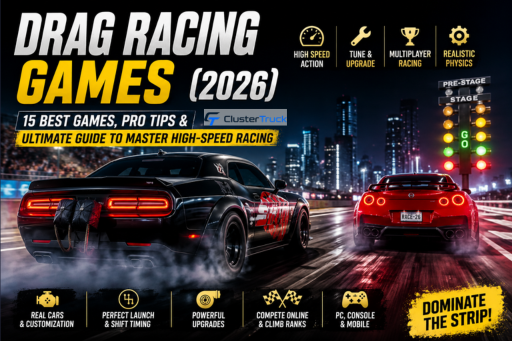
Few genres capture the thrill of pure acceleration quite like drag racing games. Unlike traditional circuit racers that emphasize cornering and endurance, drag racing is all about perfect launches, lightning-fast gear shifts, intelligent vehicle tuning, and squeezing every fraction of a second from your machine. Whether you’re a newcomer searching for your first competitive racing title or a veteran looking to dominate online leaderboards, understanding the mechanics behind drag racing can dramatically improve your experience.
This guide explores everything players need to know about modern drag racing games in 2026. From gameplay mechanics and customization systems to multiplayer competition, performance optimization, tuning strategies, and the best games currently available across PC, console, and mobile platforms, you’ll find practical advice designed to help you progress faster. Whether your goal is building the fastest muscle car, collecting exotic supercars, or mastering realistic tuning systems, this guide delivers valuable insights that both casual racers and competitive enthusiasts can appreciate.
What Are Drag Racing Games?
Drag racing games simulate one of motorsport’s simplest yet most technically demanding competitions. Instead of navigating long race tracks, players compete over short straight-line distances where acceleration, reaction time, and mechanical optimization determine the winner.
Most drag racing titles challenge players to launch their vehicles perfectly, shift gears at the ideal RPM, upgrade engine components, fine-tune transmissions, improve tire grip, optimize suspension settings, and balance power with traction. Modern games have evolved beyond simple tap-to-shift mechanics by introducing realistic tuning systems, weather effects, fuel management, nitrous timing, vehicle classes, and advanced customization options.
Developers continue expanding these experiences through seasonal content, ranked multiplayer events, live tournaments, limited-time challenges, and new vehicle collections. As a result, today’s drag racing games appeal to casual mobile players while also satisfying simulation fans who enjoy detailed mechanical adjustments.
Gameplay Mechanics That Define Great Drag Racing Games
The best drag racing games reward precision rather than luck. Every race begins with the launch, where maintaining ideal engine revolutions before the green light creates the perfect start. Missing this timing by even a small margin often determines the outcome before the finish line appears.
Gear shifting is equally important. Successful players memorize shift points based on horsepower curves, turbo boost characteristics, gear ratios, and transmission tuning. More advanced titles allow players to adjust differential settings, tire pressure, suspension stiffness, final drive ratios, and nitrous activation windows.
Vehicle upgrades usually include engine improvements, turbochargers, superchargers, intercoolers, exhaust systems, fuel injection, lightweight body modifications, aerodynamic enhancements, clutch upgrades, and ECU tuning. Together, these systems create meaningful progression while encouraging experimentation instead of relying solely on higher-powered vehicles.
Best Drag Racing Games to Play in 2026
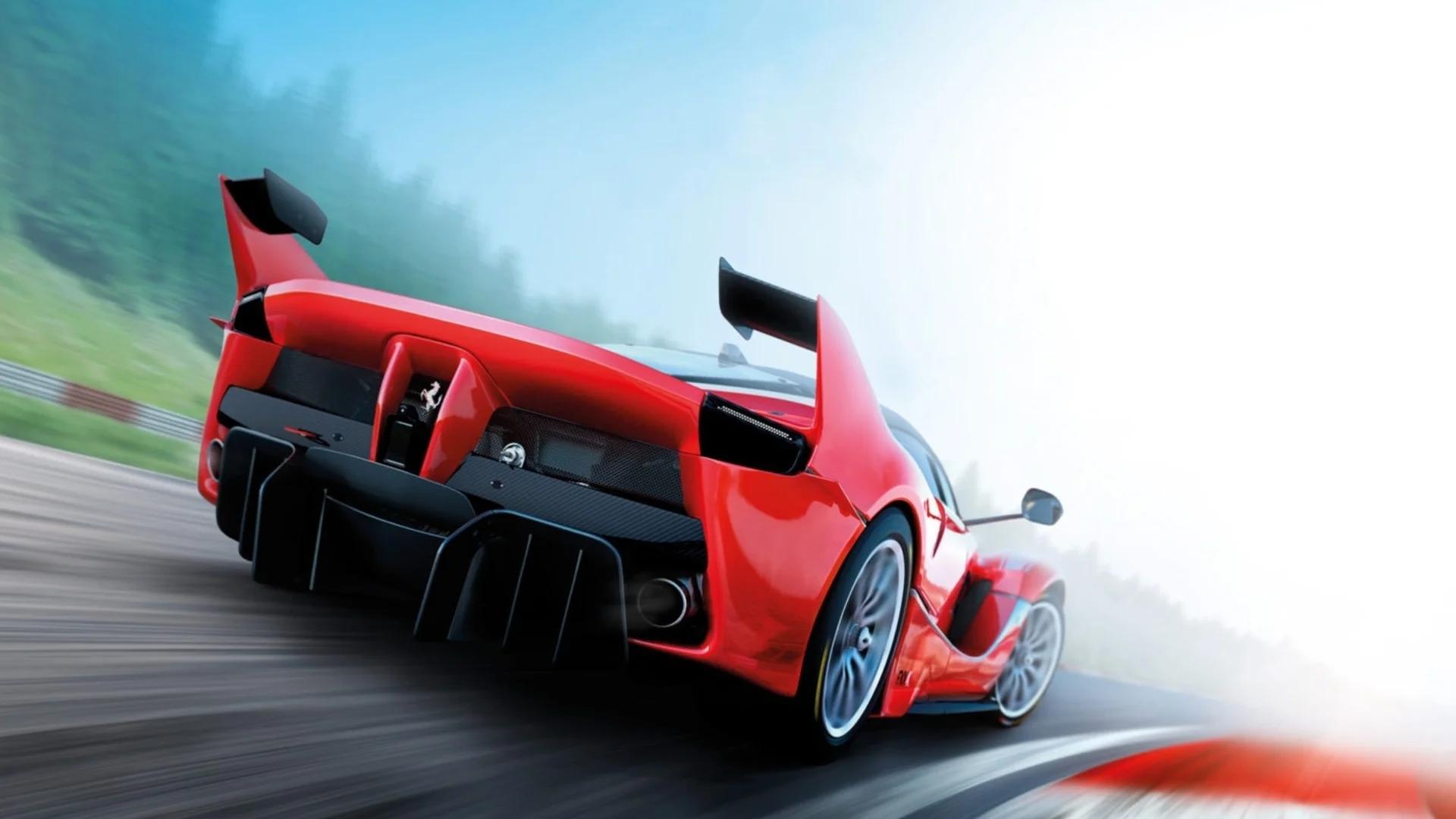
CSR Racing 2
CSR Racing 2 remains one of the most recognizable drag racing experiences thanks to its impressive graphics, licensed vehicle collection, online crews, seasonal championships, realistic car interiors, and extensive customization system. Frequent updates introduce new manufacturers, limited-time events, and competitive multiplayer seasons that keep long-term players engaged.
No Limit Drag Racing 2
Players seeking realistic tuning often gravitate toward No Limit Drag Racing 2. It emphasizes suspension adjustments, transmission ratios, tire compounds, engine modifications, and authentic vehicle physics. The game rewards players who understand mechanical optimization instead of simply purchasing stronger upgrades.
Drag Racing Classic
This long-running title offers hundreds of vehicles, extensive upgrades, career progression, and competitive online racing while maintaining an accessible control scheme that newcomers can quickly master.
Torque Drift
Although drifting forms its primary focus, Torque Drift includes vehicle customization systems, competitive racing elements, and realistic driving mechanics that appeal to players interested in automotive culture and performance tuning.
Street Racing Titles with Drag Modes
Many open-world racing games now include dedicated drag events alongside circuit races. These hybrid experiences allow players to enjoy exploration, vehicle collection, customization, and straight-line competition within a single progression system.
Beginner Guide to Winning More Races
New players often assume purchasing expensive upgrades guarantees victory. In reality, mastering consistency produces far better results. Learning launch timing should become the first priority because even the fastest vehicle loses if traction disappears during acceleration.
Understanding shift timing is the second major milestone. Rather than shifting immediately when prompted, observe engine performance and identify the RPM range where power output peaks. Many experienced players repeatedly test identical races to refine their timing before entering competitive multiplayer events.
Vehicle tuning deserves equal attention. Experiment with transmission ratios, optimize tire grip, balance weight distribution, and avoid maximizing every performance stat simultaneously. Excessive horsepower without sufficient traction often creates wheelspin that slows acceleration despite higher engine output.
Progress through career modes steadily instead of rushing upgrades. Earning credits naturally teaches mechanics while unlocking stronger components that complement your growing experience.
Advanced Strategies Used by Competitive Players
Experienced competitors rarely rely on default settings. They carefully adjust final drive ratios based on race distance, engine characteristics, and expected acceleration windows. Shorter gearing benefits rapid launches, while longer gearing may improve higher-speed performance during extended races.
Nitrous management also separates advanced racers from beginners. Activating nitrous immediately after launch often wastes potential because traction remains limited. Delaying activation until optimal grip develops usually delivers stronger acceleration throughout the race.
Competitive players frequently maintain multiple vehicle builds for different tournament classes. Instead of creating one universal setup, they optimize individual cars for specific performance categories, ensuring every upgrade contributes toward class restrictions rather than exceeding them unnecessarily.
Studying leaderboard replays, analyzing tuning combinations, and adapting strategies after balance patches further improves long-term performance, especially in ranked multiplayer environments where meta changes frequently.
Vehicle Customization and Performance Tuning
Customization has become one of the defining strengths of modern drag racing games. Cosmetic modifications include paint finishes, racing liveries, decals, wheels, spoilers, lighting packages, window tints, body kits, and interior enhancements that allow players to create unique builds.
Mechanical upgrades provide even greater depth. Engine swaps, turbo upgrades, forged pistons, camshaft improvements, fuel system optimization, transmission modifications, suspension tuning, lightweight components, braking systems, and electronic tuning all influence vehicle behavior differently.
The most rewarding games encourage experimentation by allowing players to save multiple tuning presets. Switching between career, multiplayer, tournament, and event configurations helps maximize performance across different race formats without rebuilding vehicles from scratch.
Multiplayer Competition and Online Community
Online multiplayer has transformed drag racing games into thriving competitive communities. Ranked matchmaking, crew systems, live tournaments, seasonal leaderboards, time-limited championships, and cooperative events encourage long-term progression beyond traditional career modes.
Many communities actively share tuning advice, launch techniques, gearbox configurations, performance testing, update discussions, and vehicle recommendations. Participating in these discussions helps players adapt quickly after balance changes while discovering creative tuning solutions that might otherwise remain hidden.
Developers increasingly support cross-platform progression, cloud saves, anti-cheat improvements, and seasonal rewards that encourage regular participation without forcing excessive grinding.
Best Graphics and Performance Settings
Smooth gameplay significantly improves reaction timing. PC players should prioritize maintaining stable frame rates over maximum visual quality. Lower input latency provides more consistent launches and gear changes than ultra-high graphical settings that introduce performance fluctuations.
Mobile players benefit from enabling high-performance modes when available, reducing background applications, maintaining adequate storage space, and lowering graphics settings if frame drops occur during multiplayer races.
Console players should use performance-focused display options whenever supported. Stable frame pacing creates more reliable timing windows than inconsistent visual performance, particularly during competitive events where milliseconds determine victory.
Why Drag Racing Games Continue Growing in Popularity
The enduring appeal of drag racing games lies in their accessibility and depth. Beginners can understand basic mechanics within minutes, while experienced players spend hundreds of hours perfecting tuning setups, collecting rare vehicles, optimizing launch techniques, and climbing competitive rankings.
Frequent content updates, licensed manufacturers, realistic customization, esports-inspired competition, seasonal rewards, and expanding online communities have helped the genre remain relevant despite fierce competition from broader racing franchises. Continuous improvements in graphics, physics simulation, and multiplayer infrastructure ensure drag racing remains exciting for both casual and dedicated players.
Featured Snippet
What makes drag racing games different from traditional racing games?
Drag racing games focus on straight-line acceleration instead of circuit driving. Players compete by mastering launch timing, gear shifts, vehicle tuning, and performance upgrades over short distances where reaction time and mechanical optimization determine the winner.
FAQs
Q1. Are drag racing games beginner friendly?
Yes. Most titles include tutorials, career progression, and gradual upgrade systems that help new players learn launch timing, shifting, and tuning mechanics before entering competitive multiplayer.
Q2. Which platforms support drag racing games?
Most major drag racing games are available on Android, iOS, PC, and selected gaming consoles, although platform support varies by title.
Q3. Do drag racing games require internet access?
Career modes often work offline, but ranked multiplayer events, seasonal competitions, cloud saves, and live challenges generally require an internet connection.
Q4. How important is vehicle tuning?
Vehicle tuning is one of the most important aspects of competitive drag racing. Proper gear ratios, suspension settings, traction management, and nitrous timing frequently outperform raw horsepower alone.
Q5. Can you play competitively without spending money?
Yes. Many players reach high rankings through skill, efficient upgrades, consistent tuning, and regular participation in seasonal events rather than premium purchases.
Conclusion
The best drag racing games combine fast-paced competition with meaningful customization, strategic tuning, and rewarding progression systems that keep players returning for just one more race. Whether you enjoy realistic mechanical adjustments, collecting legendary performance cars, climbing multiplayer leaderboards, or simply chasing faster quarter-mile times, today’s drag racing genre offers something for every racing fan. Master your launches, refine your tuning, experiment with different builds, and you’ll discover that victory is often decided by precision rather than pure horsepower.
